

Introduction to Diagnostic Code Readers
Imagine a world where vehicle faults can be identified and resolved before they cause major downtime or costly repairs. That’s the practical reality of modern diagnostic code readers—tools that unlock invaluable data directly from a car’s control systems. Whether you are a professional technician running a busy automotive shop or a DIY enthusiast working in your garage, these devices deliver real-time insights that make troubleshooting faster, more accurate, and significantly more cost-effective.
Diagnostic readers work by connecting to a vehicle’s OBD‑II port and accessing diagnostic trouble codes (DTCs) alongside live sensor data. For example, a scan tool can immediately pinpoint an oxygen sensor failure, coolant temperature anomaly, or misfire—allowing mechanics to triage repairs efficiently ancel.com. This contrasts sharply with traditional trial-and-error methods, where skilled technicians might otherwise spend hours sniffing out elusive faults.
One compelling statistic: the Car Care Council reports that drivers who perform regular diagnostics and maintenance with code readers can save up to 50% on repair costs over time enginecrux.com. Embedded within these savings is the fact that tools providing *live data streaming* and advanced DTC interpretation dramatically reduce diagnostic guesswork and make precision repairs possible leagend.com.
In professional workshops, a reliable code reader becomes a productivity powerhouse. A recent report explains that these devices accelerate fault detection and enhance turnaround times by instantly pulling codes from the engine control unit (ECU), cutting out laborious system checks udiagtech.com. This efficiency boosts client satisfaction and profitability, as vehicles are diagnosed accurately and repaired quickly.
For vehicle owners looking to take a more hands-on role in maintenance, a Bluetooth-enabled reader turns your smartphone into a diagnostic dashboard. These tools deliver live monitoring, code clearing, and simple definitions—all without requiring technical expertise usautoinsider.com. As interest in preventative maintenance grows, having such a tool on hand not only reinforces vehicle reliability but also fosters empowerment through knowledge.
Whether integrated into a bustling garage or used in your driveway at home, diagnostic tools are transforming vehicle maintenance culture. Coupled with evolving capabilities, these tools—often referred to as felkodsläsare—represent a pivotal shift toward proactive and data-driven automotive care.
Advanced Capabilities and Practical Applications
Diving deeper, modern diagnostic devices do more than just display fault codes—they empower technicians to perform targeted troubleshooting and predictive maintenance. For example, OBD-II scanners capture real-time data such as engine RPM, fuel trim, and sensor outputs, enabling dynamic analysis of vehicle behavior and revealing issues that static diagnostics often miss Leagend. This capability significantly improves repair accuracy and speeds up decision-making in both professional workshops and DIY environments.
In many North American and European service centers, technicians are adopting cloud-based and wireless scan tools. These systems not only offer convenience but also provide a platform for remote monitoring, which has improved service turnaround by up to 33% in OEM dealerships according to recent market reports 360 Research Reports. This trend showcases how integrating connectivity and data analytics is transforming routine diagnostics into proactive vehicle health management.
Real-World Examples and Use Cases
Consider a mid-sized repair shop that acquires a wireless, multi-system scan tool. Technicians immediately notice its ability to interface with ABS, airbag systems, and transmission modules in addition to engine diagnostics. This holistic approach allows them to tackle complex problems in a single session—reducing multiple visits and enhancing customer satisfaction. One fleet manager estimated his downtime dropped by nearly 28% after adopting predictive diagnostic analytics for ongoing vehicle health monitoring 360 Research Reports.
For home users, having access to a scan tool can be equally empowering. A common example is diagnosing an illuminated check-engine light. Instead of immediately heading to a mechanic, a driver can plug in a reader and identify a simple EVAP-related code—for instance, a loose gas cap—and resolve it quickly. This not only saves money but also empowers vehicle owners to take control of routine maintenance tasks.
In this evolution, felkodsläsare tools are not just reactive—they’re becoming *strategic enablers*. Defined by their growing integration with wireless, cloud, and AI-enhanced platforms, these diagnostic tools turn vehicle maintenance from guesswork into precise, data-driven intervention. The result: improved reliability, shorter service times, and a foundation for predictive vehicle care across workshops and personal garages alike.
How Fault Code Readers Benefit Vehicle Owners
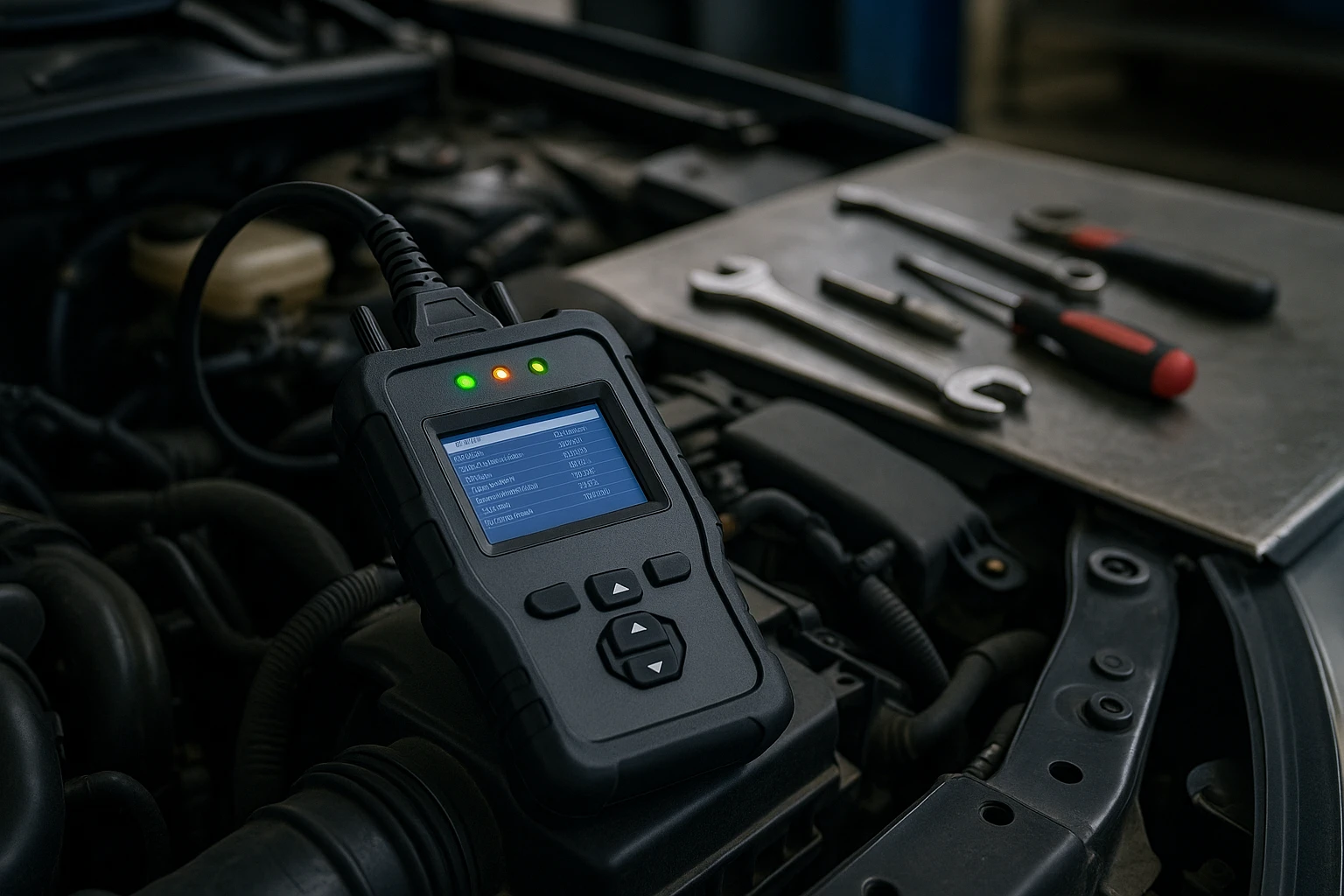
Understanding how fault code readers, or felkodsläsare, benefit vehicle owners requires an exploration of their practical applications. These devices save both time and money by quickly diagnosing problems that might otherwise require extensive mechanical investigation. By providing immediate access to diagnostic trouble codes (DTCs), drivers can gain insights into their vehicle's health before opting for costly repairs.
One of the most significant advantages of using a fault code reader is its cost-effectiveness. Instead of multiple trips to the mechanic, vehicle owners can first check the issue themselves. For instance, a driver experiencing a rough engine idle might discover, through a code reader, that a simple sensor replacement is needed, avoiding an expensive diagnostic charge at the garage.
Moreover, these devices empower owners by offering transparency and understanding. A reported survey by the Consumer Reports National Research Center highlights that car owners felt more confident discussing vehicle issues when they had preliminary data from a code reader (Consumer Reports). This confidence can often lead to more informed decisions, preventing unnecessary repairs.
Real-World Applications
Incorporating fault code readers into regular maintenance routines ensures vehicles are operating efficiently. For example, fleet managers often use these readers to maintain their vehicles' performance. By regularly scanning for trouble codes, managers can efficiently schedule preventative maintenance, reducing downtime and increasing vehicle longevity.
Additionally, fault code readers are invaluable tools for used car buyers. By connecting a felkodsläsare to a vehicle before purchase, buyers can uncover hidden issues that might not be immediately apparent. This proactive step can prevent future surprise expenses, allowing buyers to negotiate better deals based on real-time data.
Furthermore, environmental considerations play a role. Effective use of code readers helps maintain emissions systems, ensuring vehicles meet legal standards and minimize their ecological footprint. This proactive maintenance is especially critical in densely populated areas where emissions regulations are stringent.
In essence, the practical benefits of fault code readers extend far beyond simple diagnostics. They offer vehicle owners deep insights, pave the way for cost-effective maintenance, and support the broader goals of environmental responsibility. By embracing this technology, owners can enjoy a more transparent, confident, and informed vehicle ownership experience.
Value-Driven Applications in Real-World Settings
Building on the diagnostic advantages described earlier, professionals in the automotive industry and proactive vehicle owners increasingly turn to fault code readers for tangible benefits—ranging from cost containment to enhanced accuracy. For instance, fleet operators often report a reduction in maintenance expenses of 18–25% by catching issues early and scheduling planned interventions—an outcome tied directly to proactive fault detection and consistent use of diagnostic tools. These savings add up, especially when scaled across a fleet that travels thousands of miles annually. P Market Research
Similarly, in heavy-duty trucking, each day that a truck is sidelined because of unexpected repairs can cost up to $1,500 in lost revenue. Troubleshooting tools that quickly identify problems help reduce unscheduled downtime, enable immediate corrective action, and transform expensive failures—potentially costing tens of thousands—into manageable repairs. For example, replacing a damaged brake component before a catastrophic failure can mean saving thousands versus suffering from complete system failure. Cartooldeal blog
Repair shops are also realizing dramatic workflow efficiencies: recent reports show that advanced diagnostic systems can cut troubleshooting time by up to 85%, trimming labor costs and improving overall throughput. In practical terms, such efficiency allows shops to serve more clients without compromising diagnostic quality, reinforcing the concrete value that professional-level diagnostics bring. CarWorship
Even individual users benefit directly. In markets dominated by used vehicles, having access to reliable diagnostic data can be pivotal when buying or selling a car. A scan of a vehicle’s fault history can uncover hidden issues—such as intermittent misfires or sensor faults—which helps both buyers negotiate fair prices and sellers demonstrate mechanical transparency. This real-world application highlights how even portable or entry-level devices empower consumers to make informed decisions, particularly in diverse vehicle fleets. Lonauto emerging markets article
One concrete example comes from a transportation company using Jaltest Heavy Duty scanners to meet stringent emissions standards and maintain Euro 6d compliance. The ability to continuously monitor systems like SCR (Selective Catalytic Reduction) ensured that vehicles met regulatory thresholds while minimizing penalties or downtime. Such examples underscore how combining fault code readers with regulatory frameworks fosters reliability and resilience in commercial operations. P Market Research
Altogether, whether operating large fleets, running high-volume repair shops, or managing vehicle condition in secondary markets, the application of fault code readers creates real ROI. By reducing repair costs, accelerating diagnostics, and enhancing transparency during vehicle transactions, these tools demonstrate their standing as strategic assets—delivering lasting value beyond troubleshooting alone.
Conclusion
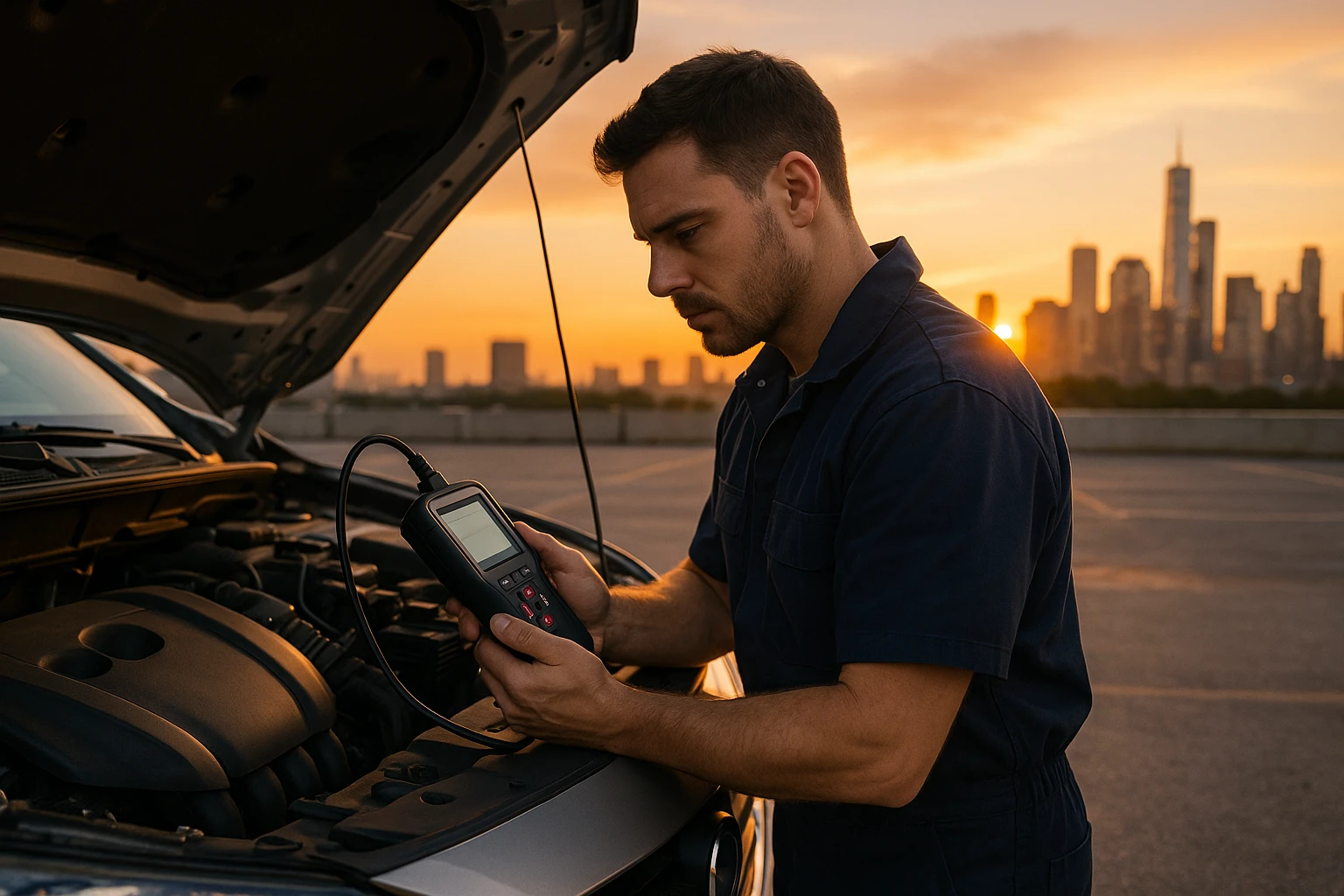
As we wrap up our discussion on the felkodsläsare, it's evident that understanding vehicle diagnostics is integral to efficient and effective car maintenance. These devices provide invaluable insights into vehicle health, allowing both car enthusiasts and professionals to identify issues promptly and make informed decisions. By utilizing these tools, one can not only save on costly repairs but also extend the lifespan of their vehicles.
For car owners looking to enhance their maintenance routines, investing in a reliable fault code reader is a smart choice. With options ranging from basic handheld models to advanced professional-grade devices, there's a felkodsläsare suited for every need. Those pursuing precision might opt for units offering real-time data and wireless connectivity. Meanwhile, budget-conscious consumers can still find affordable models that deliver essential functionalities.
Moreover, leveraging these tools empowers users with the knowledge needed to discuss issues confidently with mechanics, potentially eliminating unnecessary repairs. For instance, identifying a minor oxygen sensor issue before it escalates can prevent further engine complications. Such proactive measures underscore the power and practicality of integrating fault code readers into regular automotive upkeep.
To drive home this point with actionable advice: start by researching devices that align with your vehicle's specifications and your personal usability preferences. Begin with trusted reviews and expert opinions from reputable automotive sites. According to a study by Technavio, the automotive diagnostic market is anticipated to grow, signaling an increase in user-friendly innovations available to consumers (Technavio Report).
In conclusion, whether you're a car enthusiast or a casual driver, a felkodsläsare can be an excellent tool for staying informed about your vehicle's health. Make a practical investment in one today and gain peace of mind for your journeys ahead. Consider reaching out to automotive professionals or retailers for personalized recommendations, ensuring you select a tool that meets your diagnostic needs effectively.


